
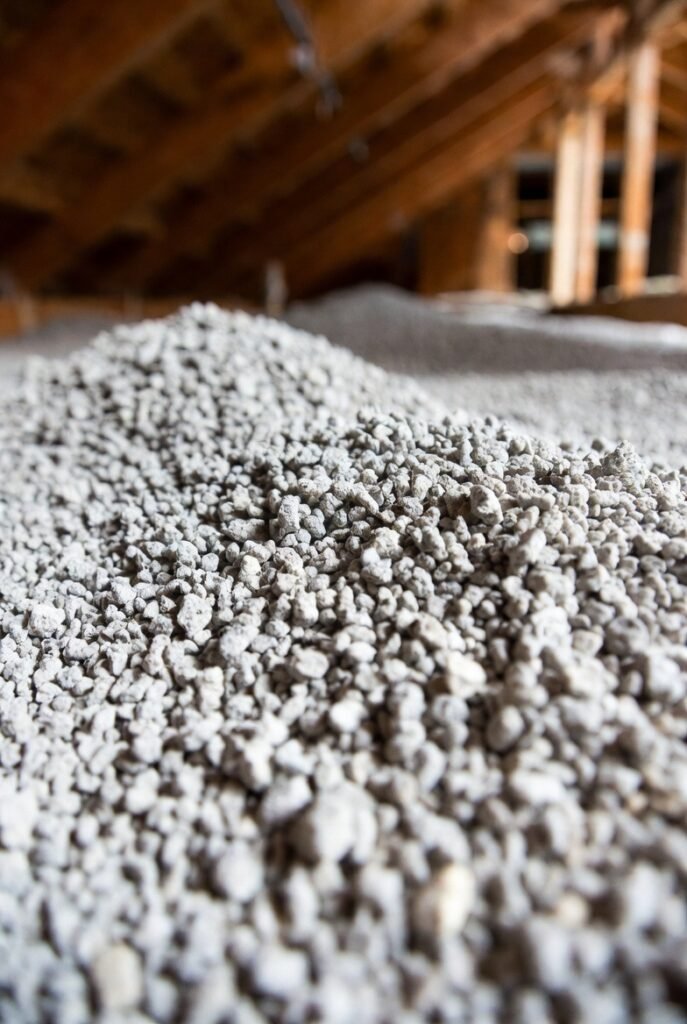
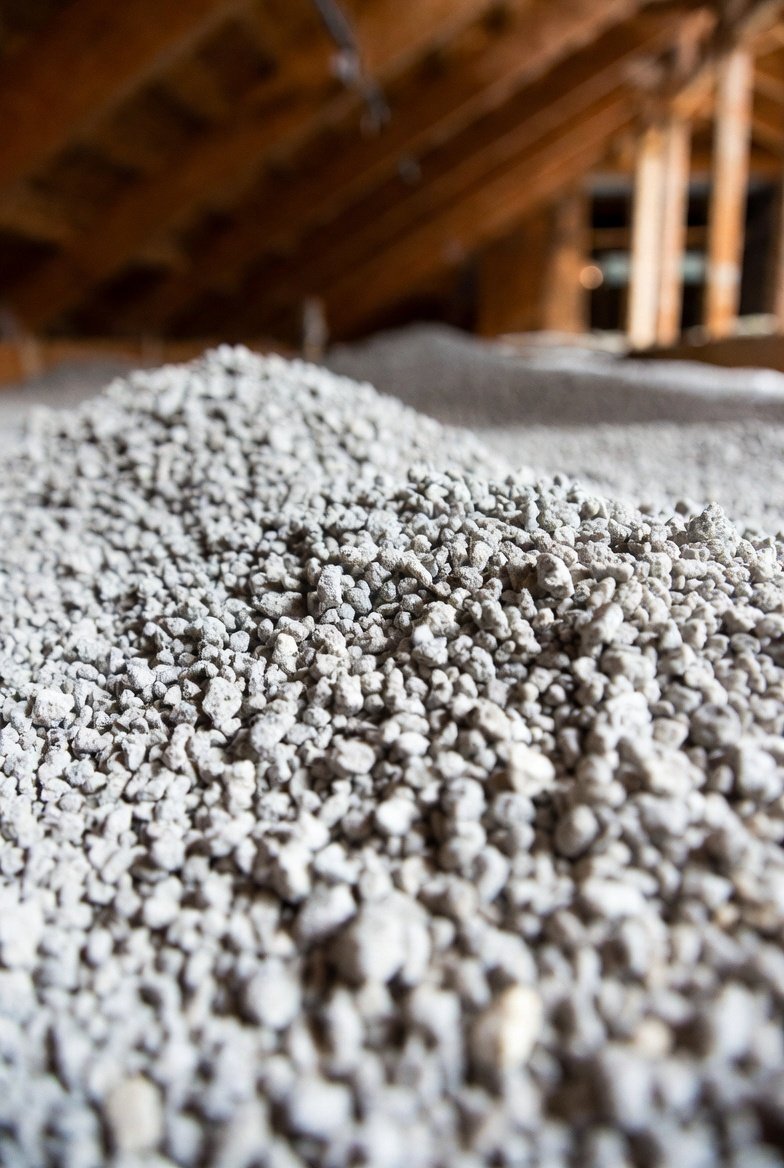
Vermiculite Insulation Removal: The Safe, Scope-First Guide (High-Risk Special Case)
Proof Widget: Evidence Check (2-Minute)
Reality Anchor | What It Means for You |
EPA guidance says to assume vermiculite attic insulation may contain asbestos and to avoid disturbing it, since disturbance can release fibers. (epa.gov) | Your safest first move is pause. Don’t sweep, vacuum, rake, or let a contractor casually “move it aside.” |
EPA notes vermiculite insulation is generally safest left undisturbed, and inhaling asbestos fibers presents a health risk. (epa.gov) | Default plan: leave it alone unless a real project forces disturbance. |
NIOSH warns that disturbing vermiculite presumed contaminated with asbestos can create hazardous airborne fibers and points to OSHA asbestos standards. (cdc.gov) | If disturbance is unavoidable, you’re buying containment + verification, not “cleanup.” |
Verify before any attic work (wiring, ducting, bath fan venting, recessed lights). | Confirm vermiculite presence and re-scope the project to avoid disturbance. |
What This Page Covers / Doesn’t Cover
Covers:
How to recognize vermiculite insulation, why it’s treated as a high-risk special case, what not to do, and the safest paths forward: leave, contain/encapsulate, or professional removal with written scope + verification.
Doesn’t cover:
DIY removal instructions or health/medical advice. For vermiculite, DIY “how-to remove” is the wrong intent and often unsafe.
Deep Audit: What Was Missing (and What’s Now Fixed)
Refinements Applied
- Proof widget upgrade: mini-table format + verify line
- Clear project triggers: wiring, fans, lights, ducts, air sealing
- Decision pathways: leave vs contain vs remove with pass/fail gates
- Stronger scope checklist: prevents vague “cleanup” pitches
Operator truth:
With vermiculite, you win by being calm, specific, and scope-driven — not dramatic.
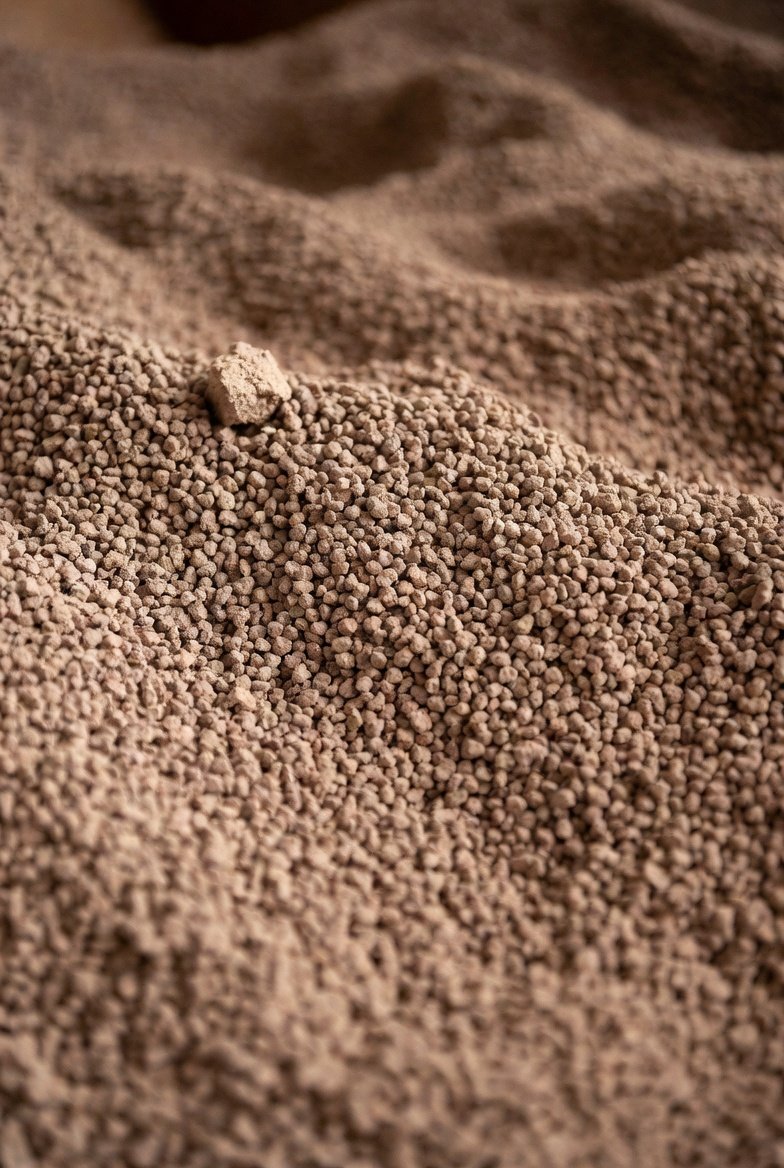
What “Don’t Disturb It” Really Means
Most homeowners underestimate how easily disturbance happens.
Disturbance Includes
- Sweeping, raking, shoveling
- Vacuuming (especially shop vacs)
- Moving it “just to see the attic floor”
- Repeated crawling through it
- Letting contractors work without containment
EPA guidance centers on avoiding disturbance because of the airborne fiber pathway. (epa.gov)
Operator truth:
If you can see dust floating in your headlamp beam, you’re already in the wrong scope.
The 3 Safest Options (and How to Choose)
There are only three responsible pathways.
Option 1: Leave It in Place (Default Best Choice)
EPA notes vermiculite insulation is generally safest left undisturbed. (epa.gov)
This fits when:
- No major attic work planned
- Attic trips are rare and brief
- Improvements can avoid disturbing insulation
Micro-perspective:
“Leave it alone” isn’t procrastination — it’s risk control.
Option 2: Contain / Encapsulate (Limited Access Needed)
Containment is appropriate when you need controlled access:
- Defined walk paths
- Isolated work zones
- Reduced spread risk
- Avoids turning a small repair into full removal
Operator truth:
Containment is often the most rational middle option.
Option 3: Professional Removal (When Disturbance Is Unavoidable)
If a project forces disturbance, removal must be planned.
NIOSH warns disturbing vermiculite presumed contaminated with asbestos can generate hazardous airborne fibers and points to OSHA asbestos standards. (cdc.gov)
Micro-perspective:
You’re paying for containment, safe handling, and verification — not just “taking it out.”
Standard attic insulation removal cost ranges don’t apply cleanly to vermiculite, because containment and verification—not speed—drive pricing here.
Projects That Trigger Action (Why People Search This)
Most decisions happen because of a project.
Common Triggers
- Electrical work (new circuits, junction access)
- Bathroom fan venting to exterior
- Recessed lights or ceiling penetrations
- HVAC / ductwork repairs
- Air sealing upgrades
Operator truth:
Vermiculite isn’t an emergency — your project scope can make it urgent.
Any project that forces disturbance should be re-scoped using attic insulation replacement decision rules—not treated as routine cleanup.
What NOT to Do (The Save-Yourself List)
Do NOT
- Vacuum it
- Sweep or rake it
- Bag it yourself
- Let contractors push it aside
- Assume “I’ll be careful” is a plan
EPA guidance emphasizes avoiding disturbance due to asbestos risk. (epa.gov)
Micro-perspective:
If the plan is “be careful,” it’s not a plan.
Proof Block: Why Disturbance Is the Entire Risk Model
NIOSH explains disturbing vermiculite insulation presumed contaminated with asbestos can generate hazardous airborne fibers and refers to OSHA asbestos standards. (cdc.gov)
Operator meaning:
Disturbance → airborne fibers → inhalation.
That’s why strong pages don’t teach DIY removal.
Operator Mistake → Consequence → Fix
Mistake
Homeowner moves vermiculite “just around the edges” to air seal.
Consequence
Previously settled material is disturbed. EPA warns against this due to fiber release risk. (epa.gov)
Fix
- Stop immediately
- Do not continue “a little more”
- Re-scope: avoid disturbance or hire pros with containment
Micro-perspective:
The worst moment isn’t finding vermiculite — it’s treating it like fiberglass.
Pass / Fail Checklist (Touch It or Don’t)
PASS — Leave It Alone
- No attic work planned soon
- Can avoid walking through it
- Trips are rare and brief
FAIL — You Need a Pro Scope
- Contractors must work in it
- Project requires moving insulation
- Ceiling renovations, lighting, duct reroutes
Operator truth:
If disturbance is required, the plan must include containment + verification.
How to Hire the Right Pro (Scope in Writing)
You’re not hiring “removal.” You’re buying scope.
Minimum Written Scope Must Include
- Defined boundary
- Containment plan
- Disposal / haul-away
- Cleanup standard
- Verification method
- Change-order rules
3-Call Script
- “Do you treat vermiculite as presumed asbestos?”
- “What’s your containment and verification plan?”
- “What’s excluded from base scope?”
Micro-perspective:
The best contractor doesn’t rush you.
Quick Verdict (1 Sentence)
If vermiculite is present, default to leaving it undisturbed; if a project forces disturbance, switch to a professional scope that specifies containment and verification. (epa.gov)
Conclusion: Decision Matrix
Best overall:
Leave undisturbed unless a real project forces action. (epa.gov)
Best value:
When disturbance is unavoidable, pay for written containment + verification scope. (cdc.gov)
Highest risk:
DIY sweeping, vacuuming, or casual disturbance — disturbance is the exposure pathway. (epa.gov)