
How to Prepare an Attic for Insulation
Quick Verdict
Prep your attic first, or insulation becomes an expensive cover-up for moisture, air leaks, and blocked vents.
What This Page Covers (and Doesn’t)
Covers:
An attic insulation preparation checklist, attic inspection before insulation, the correct prep sequence (hazards → moisture → ventilation → air sealing → verification), and how to confirm attic readiness for insulation.
Doesn’t cover:
DIY steps for hazardous insulation removal (vermiculite/asbestos risk) or guarantees that insulation alone fixes comfort issues without air sealing and ventilation protection.
Proof Widget — Attic Prep Preflight
(Skin: Preflight-Log | Structure D)
Claim 1
Building America guidance notes sealing major attic air leaks should be a precursor to installing insulation so leaks aren’t buried and inaccessible. (energy.gov)
Claim 2
ENERGY STAR attic insulation guidance emphasizes sealing air leaks and maintaining ventilation paths for insulation performance. (energystar.gov)
Verify
Before insulation day, get photos proving: baffles installed, major air-sealing targets completed, and no active moisture issues.
Spec — Ventilation Clearance
BASC specifies a minimum 1-inch clear airflow path from soffit vents, extending at least 6 inches above insulation height (use baffles/wind blocking). (basc.pnnl.gov)
⚠️ Operator truth: Prep without documentation is just optimism.
1) Attic Prep Checklist (The Right Order)
Most bad insulation outcomes are bad prep. Use this order:
- ✅ Attic hazard scan
- ✅ Attic moisture check + fixes
- ✅ Attic ventilation baffles / airflow protection
- ✅ Attic air sealing (major leaks)
- ✅ Storage + access plan
- ✅ Verification plan (photos + depth markers)
- ✅ Insulation install
DOE/Building America guidance makes the sequence clear: air sealing major leaks comes before insulation. (energy.gov)
⚠️ Operator truth: If you insulate first, you bury the mistakes.
2) Attic Inspection Before Insulation: Stop-Work Triggers
If you see any of these, pause and re-scope before insulation goes in.
A) Vermiculite (Possible Asbestos Risk)
Vermiculite can look like small pebbles or shiny flakes. EPA guidance recommends leaving vermiculite insulation undisturbed and avoiding DIY disturbance or removal. (epa.gov)
What to do instead
- Stop disturbing it
- Get qualified assessment/testing
- Proceed only with a professional, hazard-aware scope
B) Wet Insulation or Active Roof Leaks
Never insulate over wet materials.
Fix first:
Roof leak source → replace wet insulation as needed.
C) Electrical Risks
Open junction boxes, damaged wiring, overheating marks, or unsafe fixtures must be evaluated before coverage.
⚠️ Operator truth: Insulation is not a hiding place for hazards.
3) Moisture Preflight: Fix This Before You Insulate
Moisture problems don’t become safer under insulation — they become invisible.
Look for
- staining on roof sheathing
- damp or matted insulation
- rusty nails, water trails
- musty odor
- bathroom fans venting into attic
Fix logic
- Roof leak → fix roof first
- Fan venting into attic → route outdoors
- Condensation signs → air seal + confirm ventilation paths
ENERGY STAR emphasizes sealing and ventilation for correct insulation performance. (energystar.gov)
Moisture Preflight Checklist
- ✅ No active leaks
- ✅ No wet insulation
- ✅ Fans vent outdoors
- ✅ No musty attic smell
⚠️ Operator truth: Dry first. Then tight. Then insulated.
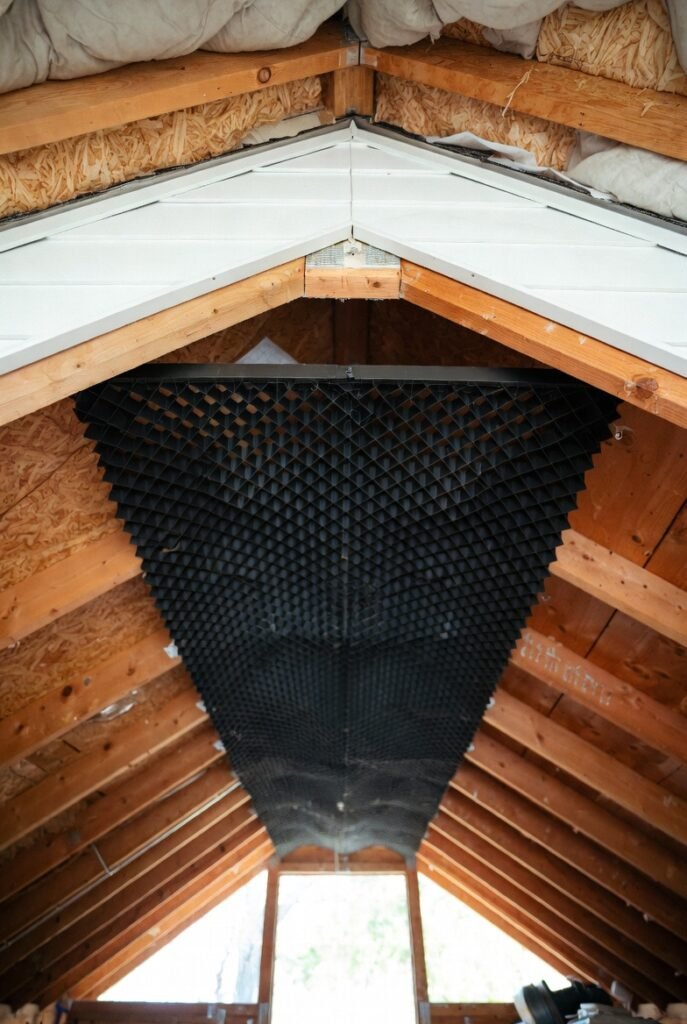
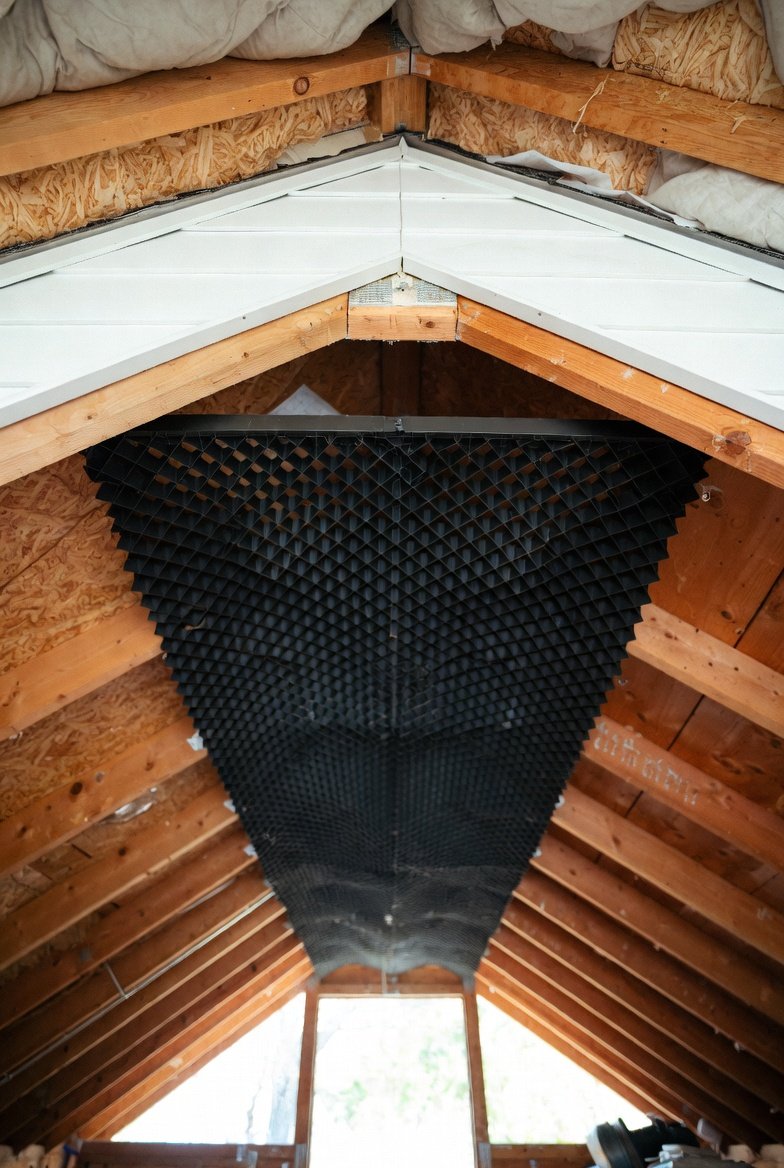
4) Attic Ventilation Baffles: Protect the Airflow Path
If your attic has soffit vents, baffles prevent insulation from choking intake airflow.
BASC specifies a 1-inch clear airflow path, extending 6 inches above insulation height. (basc.pnnl.gov)
Ventilation Protection Checklist
- ✅ Baffles installed at eaves where soffit vents exist
- ✅ Air channel remains open above planned insulation depth
- ✅ Insulation won’t drift into soffit intake
⚠️ Operator truth: Blocking soffits is the quiet failure that shows up later.
5) Attic Air Sealing Before Insulation
This is where you stop comfort problems at the source. Building America notes sealing major attic leaks should be done before insulation. (energy.gov)
Major Air-Sealing Targets
- top-plate seams (perimeter leak line)
- plumbing stack penetrations
- wiring holes and ceiling penetrations
- open chases / soffits / cavities
- attic hatch / pull-down stairs
Air-Sealing Verification Checklist
- ✅ Written target list
- ✅ Before/after photos
- ✅ Checklist sign-off
⚠️ Operator truth: “We sealed what we saw” usually means they didn’t lift insulation.
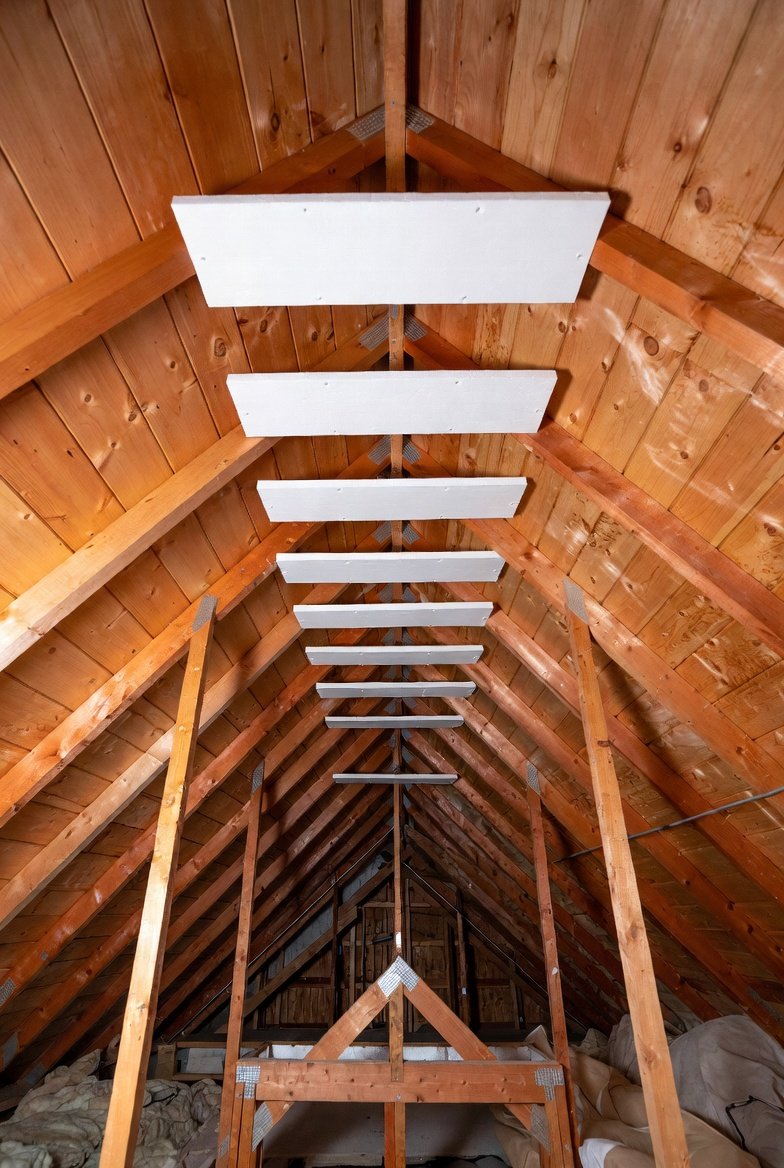
6) Storage & Access: Decide What You’re Willing to Sacrifice
Storage almost always steals coverage.
Options
- Remove storage (best performance)
- Raised platform (costlier, keeps coverage)
- Reduced insulation in storage zones (performance trade-off)
⚠️ Operator truth: Coverage gaps become comfort complaints.
7) Mid-Article Proof Block — Contractor-Grade Prep Packet
BASC checklists emphasize ventilation protection, air sealing, and confirmation steps. (basc.pnnl.gov)
Minimum Prep Packet (Ask for This)
- ✅ Photos of baffles installed
- ✅ Photos of sealed targets
- ✅ Moisture findings resolved or job paused
- ✅ Hatch plan documented
- ✅ Depth markers planned
⚠️ Operator truth: If it can’t be verified, it shouldn’t be trusted.
8) Operator Mistake → Consequence → Fix
Mistake
Insulation scheduled with no baffles and no air sealing. Insulation blown into eaves.
Consequence
Drafts persist. Comfort plateaus. Moisture risk increases due to blocked airflow.
Fix
Re-scope: baffles first, air sealing before insulation, verify ventilation clearance and coverage with photos and depth markers. (basc.pnnl.gov)
9) Attic Readiness for Insulation: Pass / Fail
PASS
- ✅ No active leaks; no wet insulation
- ✅ Fans vent outside
- ✅ Baffles installed where soffits exist (basc.pnnl.gov)
- ✅ Major leaks sealed + photographed (energy.gov)
- ✅ Storage plan decided
- ✅ Verification plan set
FAIL
- ❌ Vermiculite suspected and work would disturb it (epa.gov)
- ❌ No baffles
- ❌ No air-sealing plan
- ❌ No verification steps
10) FAQs (Snippet Targets)
How deep should attic insulation be after prep?
Depth depends on insulation type, target R-value, and region. Require documented target depth, depth markers, and photos.
What are common attic prep mistakes before insulation?
Skipping baffles, insulating over moisture, ignoring fan venting, and burying air leaks.
How do I verify insulation coverage after installation?
Use depth markers, photo documentation, and a walk-through confirming ventilation paths and hatch sealing.
Conclusion: Decision Matrix
Best overall:
Moisture fixed + ventilation protected + major leaks sealed + verification packet + depth markers. (energy.gov)
Best value:
Targeted prep that nails baffles, big bypass sealing, and proof photos.
Highest risk:
“Blow insulation tomorrow” with no hazard scan, no baffles, and no sealing plan.
Next step:
Compare your contractor’s plan against the Pass/Fail checklist before approving the job.