Attic Maintenance Guides

Step-by-step attic maintenance guides to keep insulation, ventilation, and structures in top condition year-round.

download (54)

Attic Ventilation Contractor: How to Hire the Right Pro (Without Creating New Problems)

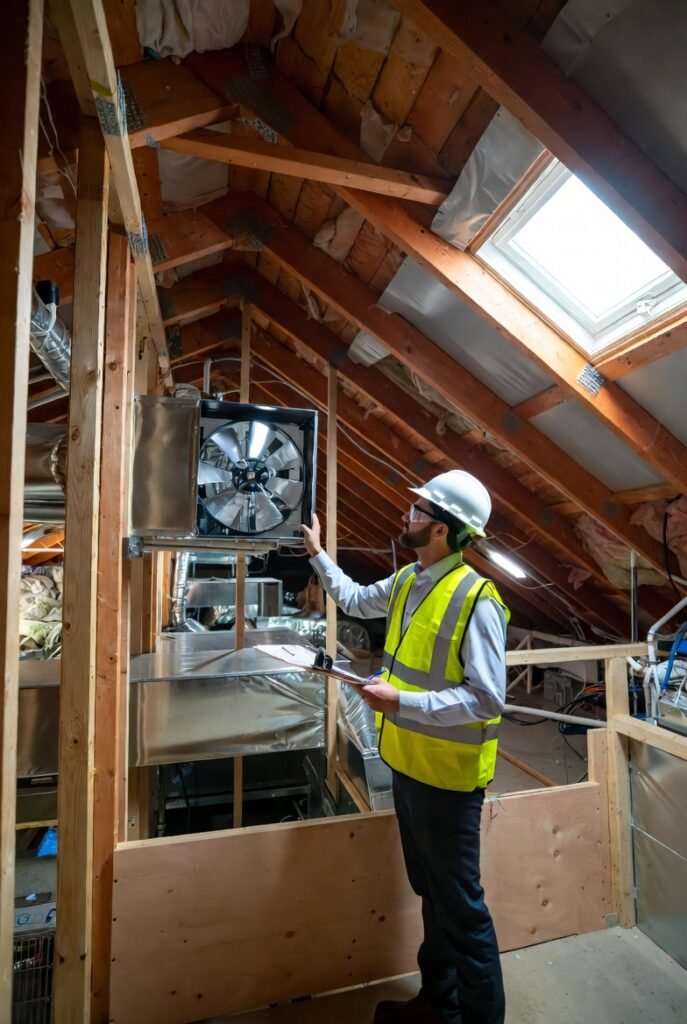
Attic Ventilation Contractor: A Hiring Guide That Protects the System — Not Just the Roof Most ventilation contractors sell vents. Very few design airflow. Attic ventilation is not about adding hardware. It’s about creating a balanced airflow system that works with insulation and air sealing — not against them. If you are searching for attic […]

Attic Ventilation Contractor: How to Hire the Right Pro (Without Creating New Problems) Read More »
download (47)

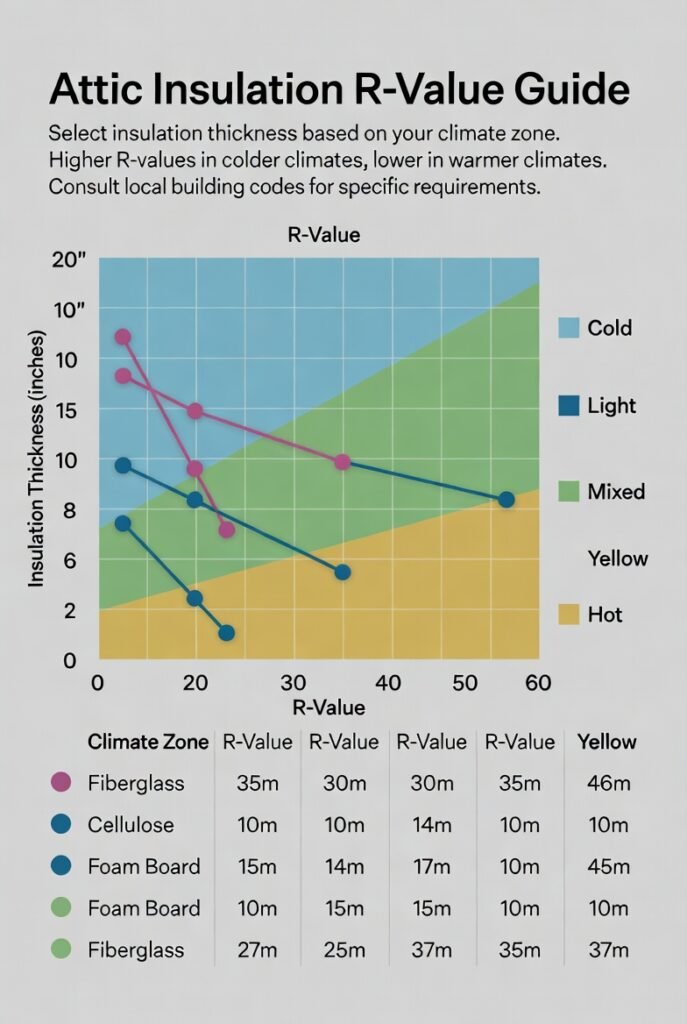
Attic Insulation R-Value Chart (Thickness & Climate Zone Guide)

Attic Insulation R-Value Chart If you are asking: What R-value do I need in my attic? How thick should attic insulation be? How deep is R38 or R49 blown insulation? You are in the right place. This guide provides: Climate zone R-value targets Thickness conversions (fiberglass & cellulose) R38 / R49 / R60 depth references

Attic Insulation R-Value Chart (Thickness & Climate Zone Guide) Read More »

is insulation toxic

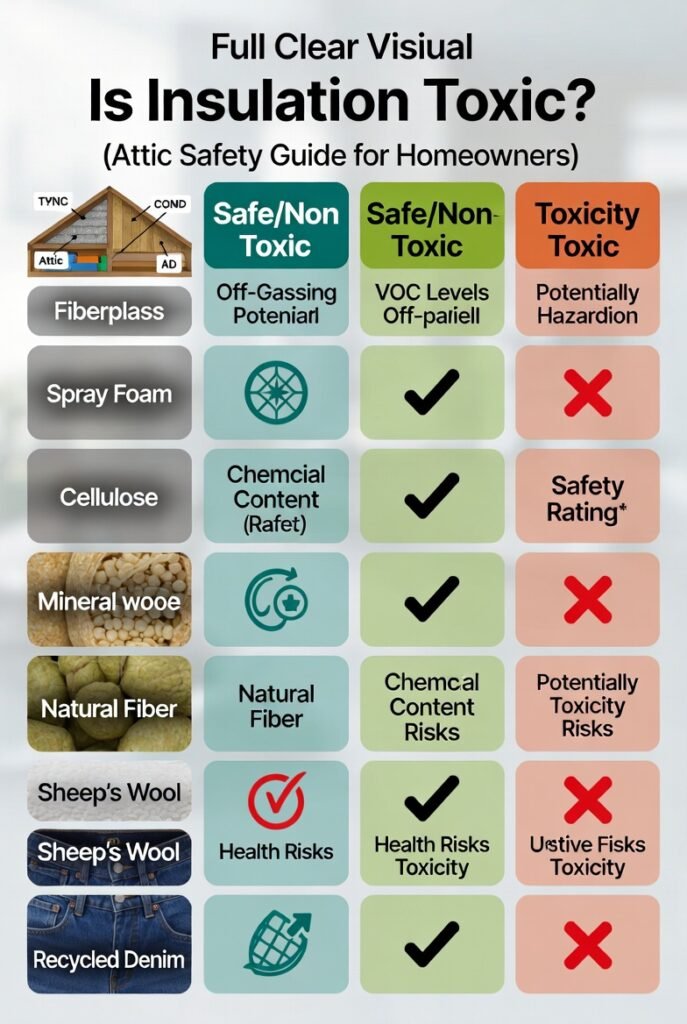
Is Insulation Toxic? (Attic Safety Guide for Homeowners)

Is Insulation Toxic? Short answer: Most modern attic insulation is not toxic when properly installed and undisturbed. It can irritate skin, eyes, and lungs if disturbed. Some materials (like spray foam during installation or old vermiculite insulation) require special caution. “Toxic” is often used loosely.In attic systems, the real question is exposure and moisture —

Is Insulation Toxic? (Attic Safety Guide for Homeowners) Read More »

download (44)

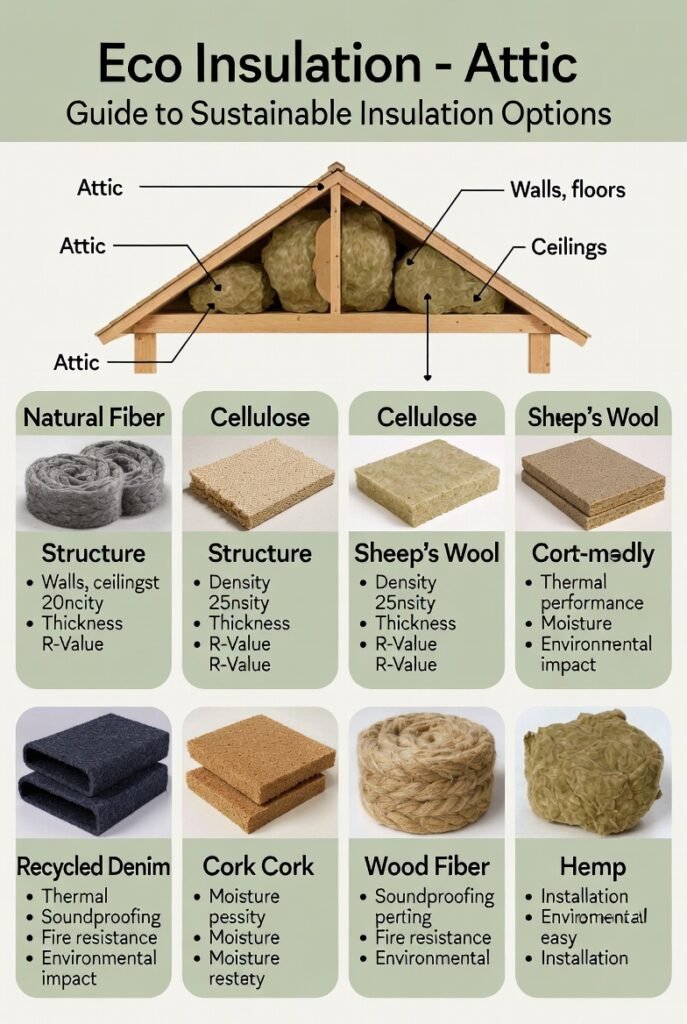
Eco Insulation (Attic Guide to Sustainable Insulation Options)

Eco Insulation “Eco insulation” is a broad term. It can mean: High recycled content Renewable or bio-based material Lower chemical exposure Lower embodied carbon Durable performance that avoids waste In attics, sustainability is not just about material origin.It’s about correct assembly, moisture control, and long-term performance. If insulation fails because of moisture or poor air

Eco Insulation (Attic Guide to Sustainable Insulation Options) Read More »

download (41)

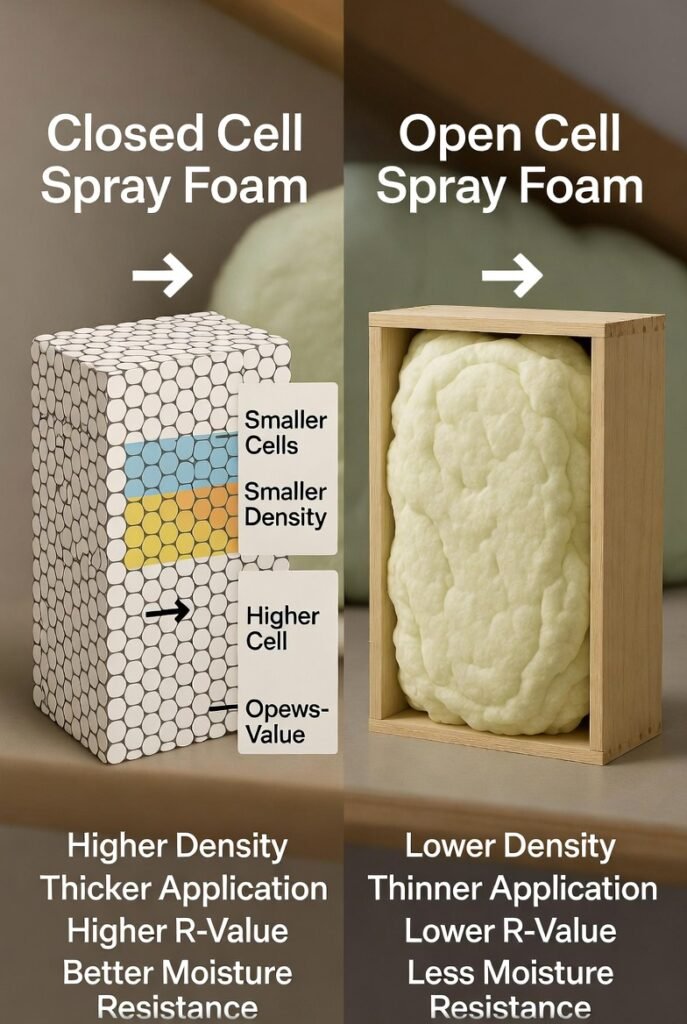
Closed Cell vs Open Cell Insulation (Spray Foam Comparison Guide)

Closed Cell vs Open Cell Insulation Closed cell and open cell spray foam are not interchangeable upgrades. They change how an attic, wall, or crawl space manages air, vapor, and drying. The correct choice depends on: Assembly type (roof deck vs wall vs rim joist) Climate zone Moisture risk Required R-value Long-term roof and maintenance

Closed Cell vs Open Cell Insulation (Spray Foam Comparison Guide) Read More »

Cellulose Insulation in Attics

Cellulose Insulation in Attics: Pros, Cons, Settling, Moisture Risks & When It Beats Fiberglass

Cellulose Insulation in Attics Cellulose insulation isn’t better because it’s recycled.It isn’t worse because it settles. In attic floors, cellulose performs extremely well — when the attic system is correct. If the attic is damp, leaky, or poorly ventilated, no insulation will fix that. The U.S. Department of Energy makes this clear: insulation reduces heat

Cellulose Insulation in Attics: Pros, Cons, Settling, Moisture Risks & When It Beats Fiberglass Read More »

Fiberglass Insulation Advantages

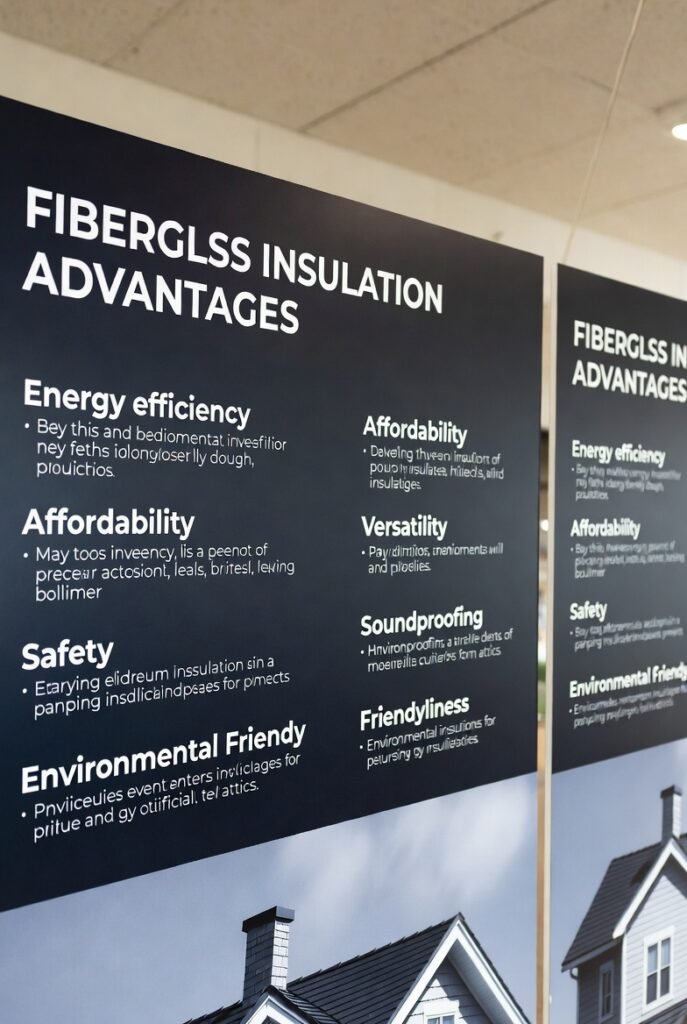
Fiberglass Insulation Advantages: 6 Real Reasons It’s Still the Smartest Attic Choice

Fiberglass Insulation Advantages Fiberglass insulation is not flashy. It doesn’t promise dramatic transformation.It doesn’t claim miracle savings. Yet it remains the most widely installed attic insulation material in the United States. Why? Because for standard vented attic floors, it consistently delivers: Reliable thermal resistance Low upfront cost Fire resistance Moisture tolerance Installation flexibility According to

Fiberglass Insulation Advantages: 6 Real Reasons It’s Still the Smartest Attic Choice Read More »

Best Insulation Material for Attic

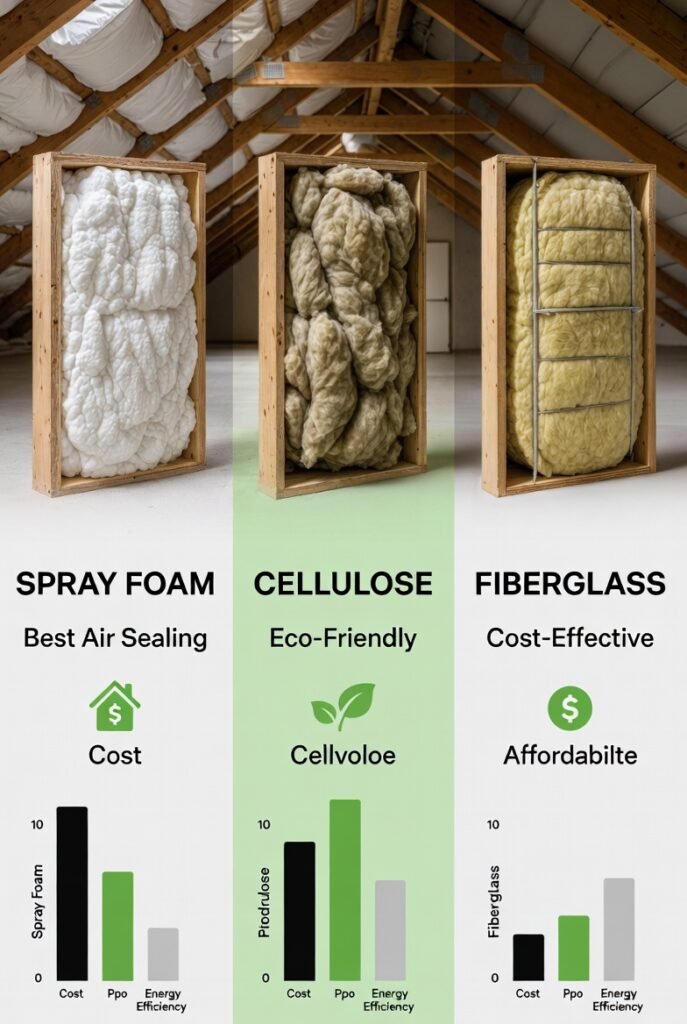
Best Insulation Material for Attic: Spray Foam vs Cellulose vs Fiberglass (Real Decision Guide)

Best Insulation Material for Attic Let’s clear something up first. Most “best insulation” articles are wrong. They either: Push spray foam as a miracle solution Or rank materials by R-value alone Neither approach helps you choose correctly. The best attic insulation depends on: Climate zone Air leakage Moisture conditions Budget Whether the attic remains vented

Best Insulation Material for Attic: Spray Foam vs Cellulose vs Fiberglass (Real Decision Guide) Read More »

download 2026 01 30t013126.675

Attic Insulation Types

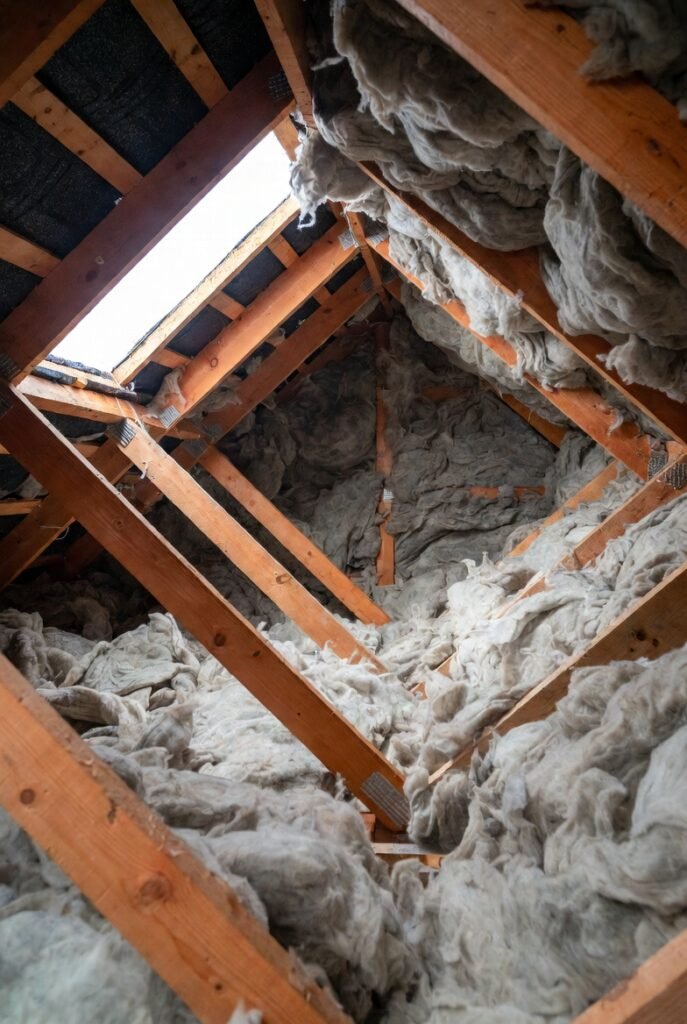
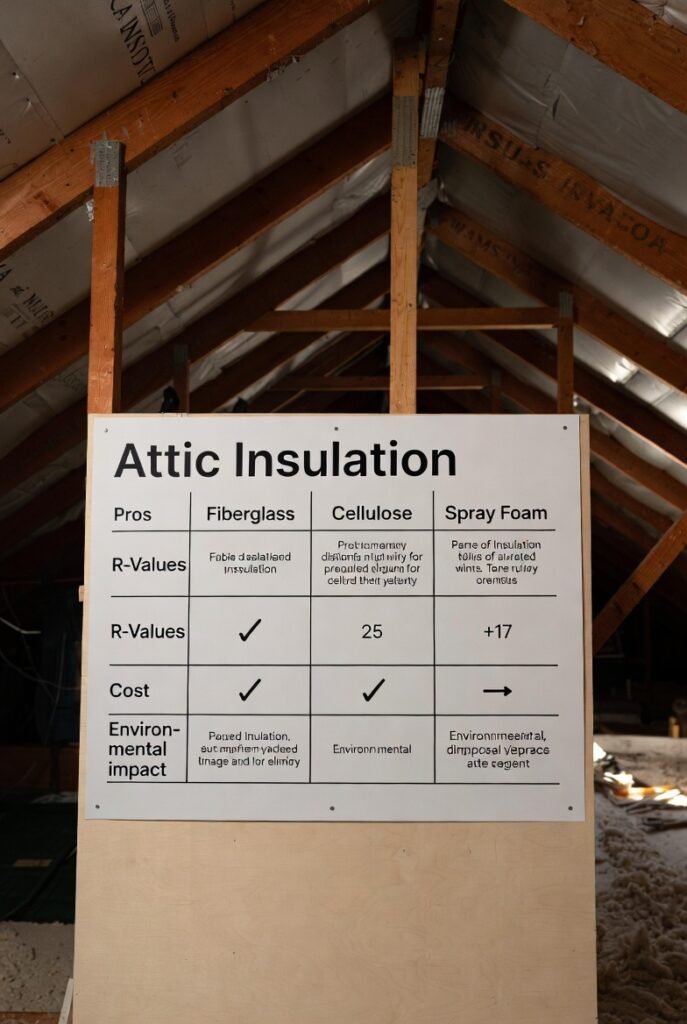
Attic Insulation Types Quick Verdict For most vented attics, blown-in fiberglass or cellulose is the best “coverage-for-dollar” choice — if you air seal first and protect soffit vents so nothing gets blocked. What This Page Covers (and Doesn’t) Covers:Attic insulation types, insulation material pros and cons, “best attic insulation” decision logic, and attic insulation vs

Attic Insulation Types Read More »